Experiencing the Vibrant Tapestry of Malaysian Festivals: Hari Raya, Deepavali, and Chinese New Year

Experiencing the Vibrant Tapestry of Malaysian Festivals: Hari Raya, Deepavali, and Chinese New Year
Malaysia, a melting pot of cultures, is a land where diversity isn't just tolerated; it's celebrated. And what better way to witness this vibrant tapestry than through its spectacular festivals? I've had the incredible opportunity to immerse myself in the joyous celebrations of Hari Raya Aidilfitri, Deepavali, and Chinese New Year, each offering a unique glimpse into the heart and soul of Malaysia. Let me share my experiences, the sights, the sounds, and the flavors that have made these festivals unforgettable.
Hari Raya Aidilfitri: A Celebration of Forgiveness and Family

Hari Raya Aidilfitri, or Eid al-Fitr, marks the end of Ramadan, the holy month of fasting for Muslims. The energy leading up to Hari Raya is palpable. Shopping malls are decked out in festive decorations, often featuring traditional Malay motifs like ketupat (woven rice dumplings) and oil lamps. There's a buzz of excitement as people prepare for the festivities, buying new clothes, baking cookies, and preparing traditional dishes.
My first Hari Raya experience was truly special. I was invited to the home of a Malay friend, and the warmth and hospitality were overwhelming. The house was beautifully decorated, and the aroma of rendang (a rich coconut beef stew) and other delicacies filled the air. It's customary to wear new clothes on Hari Raya, often in matching colors, and the sight of families dressed in their best attire is a feast for the eyes.
The heart of Hari Raya lies in forgiveness and family. After morning prayers at the mosque, people visit their elders to seek blessings and forgiveness. This tradition, known as "salam," involves touching the elder's hand to the forehead as a sign of respect. It's a beautiful display of humility and the importance of family bonds.
The food, oh, the food! Hari Raya is a culinary extravaganza. Some of the must-try dishes include:
- Rendang: As mentioned earlier, this slow-cooked beef stew in coconut milk and spices is a true masterpiece. The flavors are incredibly complex and satisfying.
- Ketupat: These rice dumplings, woven in palm leaves, are often served with rendang or other curries. The intricate weaving adds a touch of artistry to the dish.
- Lemang: Glutinous rice cooked in bamboo over an open fire. The smoky flavor is simply divine.
- Kuih Raya: A wide variety of traditional Malay cookies and sweets. Each family has their own specialties, and they are all incredibly delicious.
Visiting from house to house, or "open house," is a key tradition during Hari Raya. Families open their doors to friends, neighbors, and even strangers, offering food and hospitality. The spirit of generosity and community is truly heartwarming. It's a wonderful opportunity to experience Malay culture firsthand and to make new friends.
Deepavali: The Festival of Lights Illuminating Souls
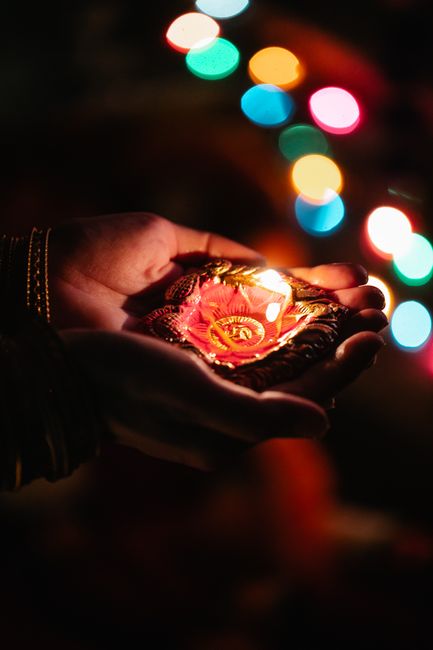
Deepavali, or Diwali, the Hindu Festival of Lights, is another spectacular celebration in Malaysia. The decorations are breathtaking, with colorful rangoli (intricate designs made with colored powder) adorning entrances and twinkling lights illuminating homes and temples. The air is filled with the sounds of devotional music and the aroma of incense and delicious Indian food.
I remember being mesmerized by the beauty of the rangoli. The intricate patterns and vibrant colors are truly works of art. I learned that each color has a symbolic meaning, and the designs are often created with auspicious symbols to bring good luck and prosperity.
Deepavali celebrates the triumph of good over evil, light over darkness. It's a time for cleansing, renewal, and reflection. People clean and decorate their homes, buy new clothes, and exchange gifts with family and friends. It's also a time for prayer and devotion, as people visit temples to offer prayers to the deities.
The culinary delights of Deepavali are just as enticing as the decorations. Some of the must-try dishes include:
- Murukku: Crispy, savory snacks made from rice flour and lentil flour. Their spiral shape is quite distinctive.
- Laddu: Sweet balls made from flour, sugar, and ghee. They are often flavored with nuts and spices.
- Payasam: A sweet rice pudding flavored with cardamom, saffron, and nuts. It's a truly decadent treat.
- Idli and Dosa: Fermented rice and lentil pancakes, often served with sambar (lentil-based vegetable stew) and chutney.
Similar to Hari Raya, open houses are a common tradition during Deepavali. Families welcome guests into their homes, offering food and hospitality. It's a wonderful opportunity to experience Indian culture and to learn more about the significance of the festival. I remember being struck by the warmth and generosity of the people I met. They were eager to share their traditions and to make me feel welcome.
One of the most memorable experiences I had during Deepavali was visiting a Hindu temple. The atmosphere was incredibly serene and spiritual. I watched as people offered prayers to the deities and listened to the chanting of mantras. It was a truly moving experience that gave me a deeper understanding of the Hindu faith.
Chinese New Year: Ushering in Prosperity and Good Fortune
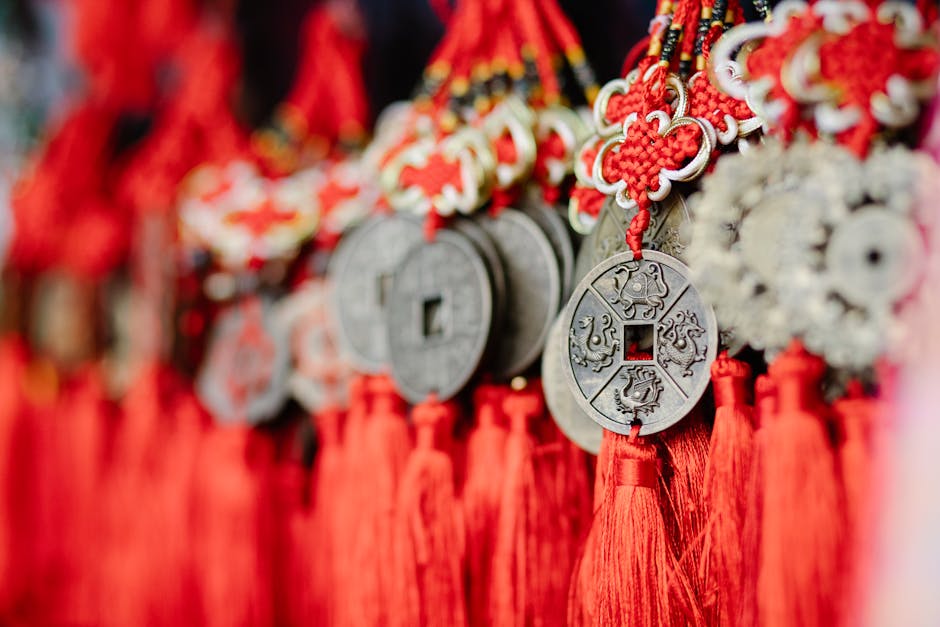
Chinese New Year, also known as the Spring Festival, is a time of immense joy and celebration for the Chinese community in Malaysia. The cities and towns are transformed into a sea of red and gold, the auspicious colors symbolizing prosperity and good fortune. Lanterns hang from buildings, firecrackers light up the sky, and the air is filled with the sounds of festive music.
The preparations for Chinese New Year begin weeks in advance. People clean their homes thoroughly to sweep away any bad luck from the previous year. They also buy new clothes, decorate their homes with auspicious symbols, and prepare special dishes.
The reunion dinner, held on the eve of Chinese New Year, is the most important meal of the year. Families gather together to share a sumptuous feast, symbolizing unity and togetherness. The dishes served are often symbolic, with each dish representing a different aspect of good fortune.
Some of the must-have dishes for Chinese New Year include:
- Yee Sang: A raw fish salad with colorful vegetables and sauces. It's tossed in the air while chanting auspicious phrases to bring good luck. The higher you toss it, the better your luck will be!
- Dumplings (Jiaozi): Symbolizing wealth, these are often filled with meat and vegetables. The shape resembles ancient Chinese money.
- Spring Rolls: Crispy rolls filled with vegetables and meat, symbolizing wealth because they look like gold bars.
- Nian Gao (Sticky Rice Cake): Symbolizing progress and growth, this sweet and savory cake is a must-have for a prosperous new year.
Visiting family and friends is a key tradition during Chinese New Year. People exchange red envelopes (ang pow) filled with money, symbolizing good luck and prosperity for the recipient. The tradition of lion and dragon dances is also prevalent, bringing good fortune and warding off evil spirits. The vibrant costumes and energetic movements are truly captivating.
I remember being particularly fascinated by the lion dance. The acrobatic skills of the performers were incredible, and the rhythmic drumming and cymbal clashes created a lively and festive atmosphere. It was a truly immersive cultural experience.
Another memorable experience was visiting a Chinese temple during Chinese New Year. The atmosphere was incredibly vibrant, with people offering prayers, burning incense, and making offerings to the deities. The temple was beautifully decorated with lanterns and flowers, creating a sense of peace and tranquility amidst the bustling celebrations.
Beyond the Festivities: A Deeper Appreciation for Malaysian Culture
Experiencing these festivals has been more than just attending parties and enjoying delicious food. It's been a journey of understanding and appreciating the rich cultural diversity of Malaysia. It's taught me the importance of family, community, and the shared values that bind people together, regardless of their background or beliefs.
What I've learned from immersing myself in these Malaysian festivals:
- The power of shared traditions: Seeing how families come together to celebrate, regardless of their religion or background, highlights the universal human need for connection and belonging.
- The importance of respect and understanding: Each festival offers a unique perspective on life and faith. Taking the time to learn about these different perspectives fosters empathy and respect for others.
- The beauty of diversity: Malaysia's ability to celebrate multiple cultures simultaneously is a testament to its tolerance and open-mindedness. It's a reminder that diversity is a strength, not a weakness.
These experiences have left an indelible mark on me. I've not only gained a deeper understanding of Malaysian culture but also a greater appreciation for the richness and complexity of the human experience. If you ever have the opportunity to visit Malaysia, I highly recommend immersing yourself in these vibrant festivals. It's an experience you won't soon forget.
So, whether it's the spiritual reflection of Hari Raya, the radiant glow of Deepavali, or the auspicious cheers of Chinese New Year, Malaysia offers a festival for every soul, a celebration for every heart. Go on, experience the magic!

Post a Comment for "Experiencing the Vibrant Tapestry of Malaysian Festivals: Hari Raya, Deepavali, and Chinese New Year"
Post a Comment