Masjid Jamek & Beyond: Unveiling Malaysia's Rich Islamic Heritage

Masjid Jamek & Beyond: Unveiling Malaysia's Rich Islamic Heritage
Malaysia, a vibrant tapestry woven with threads of Malay, Chinese, Indian, and indigenous cultures, holds a special place in my heart. It's a country where the call to prayer harmonizes with the bustling sounds of city life, and where ancient traditions coexist beautifully with modern advancements. And nowhere is this rich blend more evident than in the country's Islamic heritage, a heritage that extends far beyond the iconic Masjid Jamek.
I've always been fascinated by the way Islam has shaped Malaysia's architecture, art, cuisine, and social fabric. It's not just about grand mosques (though those are certainly breathtaking!), it's about the subtle influences woven into daily life, the respect for community, and the deep-seated values that guide so many Malaysians. Let's take a journey, shall we, exploring this fascinating aspect of Malaysia's identity, starting with the magnificent Masjid Jamek and then venturing further afield.
Masjid Jamek: Where Kuala Lumpur Began

For me, no exploration of Islamic heritage in Malaysia is complete without a visit to Masjid Jamek Sultan Abdul Samad. Often simply called Masjid Jamek (meaning 'Friday Mosque'), this architectural gem sits gracefully at the confluence of the Klang and Gombak rivers – the very spot where Kuala Lumpur was founded. I remember the first time I saw it; the Moorish architecture, with its red and white striped minarets and onion-shaped domes, just took my breath away.
Built in 1909, it was designed by Arthur Benison Hubback, who also designed other notable buildings in KL like the Kuala Lumpur Railway Station. Hubback drew inspiration from Mughal architecture, creating a serene oasis in the heart of the bustling city. Stepping inside, I always feel a sense of peace wash over me. The intricate tilework, the graceful arches, and the soft light filtering through the stained-glass windows create a truly spiritual atmosphere.
What I find particularly poignant about Masjid Jamek is its historical significance. It served as Kuala Lumpur's main mosque for many years, a central point for prayer and community gatherings. Even now, despite the newer, larger mosques in the city, it remains a beloved landmark, a testament to the city's humble beginnings and enduring faith.
Visiting Masjid Jamek is more than just admiring the architecture; it's about connecting with the history and the spirit of Kuala Lumpur. Just remember to dress respectfully (covering your shoulders and knees) when visiting, and be mindful of those who are there to pray. Many mosques provide robes for visitors.
Beyond the Capital: Exploring Islamic Architecture Across Malaysia
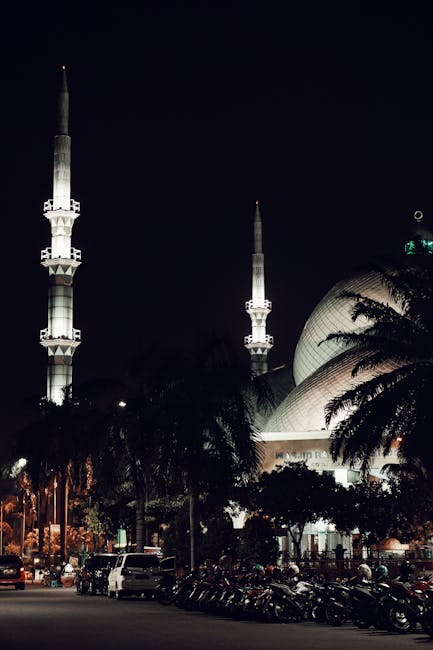
While Masjid Jamek is undeniably a highlight, it's just the tip of the iceberg when it comes to Islamic architectural heritage in Malaysia. The country boasts a diverse range of mosques, each reflecting the unique influences and styles of its region. From the grand state mosques to the humble village suraus, these structures offer a fascinating glimpse into the evolution of Islamic architecture in Malaysia.
Here are a few of my personal favorites, taking you on a virtual tour across the country:
- The Blue Mosque (Sultan Salahuddin Abdul Aziz Mosque), Shah Alam, Selangor: This mosque is absolutely stunning! Its massive blue dome is a true spectacle, and the intricate calligraphy and vibrant colors inside are truly mesmerizing. I remember being awestruck by its sheer scale and beauty.
- Masjid Putra, Putrajaya: Located in Malaysia's administrative capital, this rose-tinted granite mosque is a masterpiece of contemporary Islamic architecture. Its reflection shimmering in the Putrajaya Lake creates a picture-perfect scene, especially at sunset.
- Crystal Mosque (Masjid Kristal), Terengganu: For a truly unique experience, head to Terengganu and visit the Crystal Mosque. Made of steel, glass and crystal, it sparkles in the sunlight and is even more magical at night when it's illuminated with colorful lights. It's a modern marvel that seamlessly blends technology and tradition.
- Malacca Straits Mosque, Malacca: Perched on stilts overlooking the Malacca Strait, this mosque offers breathtaking views, especially at sunset. Its golden dome and intricately designed minaret make it a striking landmark.
- Kapitan Keling Mosque, Penang: This historic mosque in Georgetown, Penang, showcases a blend of Mughal, Moorish, and Western architectural styles. Its ochre-colored façade and intricate details make it a captivating sight.
Each of these mosques tells a story, reflecting the local culture, architectural influences, and the dedication of the communities that built them. Exploring these sacred spaces is a wonderful way to deepen your understanding of Islamic heritage in Malaysia.
Islamic Art and Craft: A Celebration of Beauty and Skill
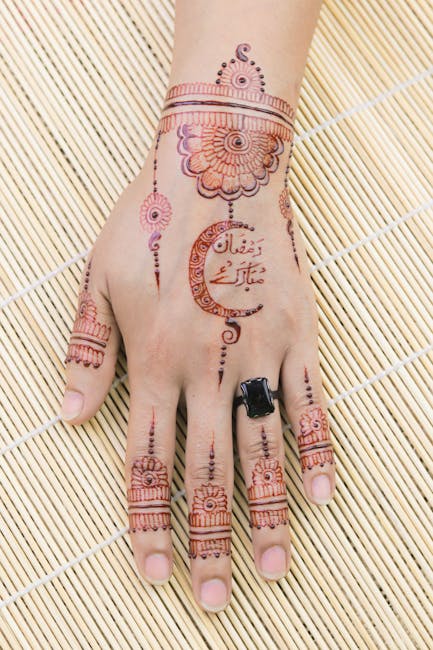
Beyond architecture, Islamic art and craft have also played a significant role in shaping Malaysia's cultural identity. From intricate wood carvings and delicate batik textiles to stunning calligraphy and elaborate metalwork, these artistic expressions showcase the skill and creativity of Malaysian artisans. I am always amazed by the level of detail and the deep symbolism embedded in these art forms.
Let's delve into some of the most prominent examples:
- Batik: This traditional textile art, involving wax-resist dyeing, is a quintessential Malaysian craft. Islamic motifs, such as floral patterns and geometric designs, are often incorporated into batik designs, creating beautiful and intricate fabrics. I've tried my hand at batik painting a few times – it's definitely more challenging than it looks, but incredibly rewarding!
- Wood Carving: From intricately carved doors and window panels to decorative panels and furniture, wood carving is a highly prized craft in Malaysia. Islamic calligraphy and geometric patterns are frequently featured in wood carvings, adding a touch of elegance and spirituality to homes and mosques. You can often find demonstrations of this craft in cultural centers and workshops.
- Songket: This luxurious hand-woven fabric, typically made of silk or cotton and intricately interwoven with gold or silver threads, is a symbol of Malay royalty and tradition. Songket is often used for ceremonial attire and special occasions, showcasing the exquisite craftsmanship and rich heritage of Malaysian weaving.
- Calligraphy: As in many Islamic cultures, calligraphy holds a special place in Malaysian art. Beautifully rendered verses from the Quran and other religious texts adorn mosques, homes, and public spaces, serving as reminders of faith and devotion. You can find stunning examples of calligraphy in mosques and museums throughout Malaysia.
Exploring these art forms is a journey into the heart of Malaysian culture. Each piece tells a story, reflecting the values, beliefs, and artistic traditions of the community that created it. Be sure to visit local markets and craft centers to witness these skills firsthand and perhaps even take home a unique souvenir.
The Influence of Islam on Malaysian Cuisine

Food is an integral part of Malaysian culture, and Islam has significantly influenced the country's culinary landscape. Halal dietary guidelines are widely observed, and traditional Malay cuisine is often characterized by rich spices, coconut milk, and a variety of meats and seafood. I truly appreciate the mindful approach to food and the emphasis on sharing meals with family and friends.
Some of my favorite Malaysian dishes that reflect Islamic influences include:
- Nasi Lemak: Considered the national dish of Malaysia, Nasi Lemak consists of fragrant rice cooked in coconut milk and pandan leaves, served with fried chicken, sambal (chili paste), peanuts, anchovies, and cucumber. It's a flavorful and satisfying meal that showcases the richness of Malay cuisine.
- Rendang: This rich and flavorful meat stew, slow-cooked in coconut milk and a blend of aromatic spices, is a true culinary masterpiece. Rendang is often served during festive occasions and celebrations, reflecting the importance of food in Malaysian culture.
- Satay: These grilled skewers of marinated meat, served with a peanut sauce dip, are a popular street food snack in Malaysia. The grilling process adds a smoky flavor, and the peanut sauce provides a sweet and savory complement.
- Murtabak: This savory stuffed pancake, filled with minced meat, onions, and eggs, is a hearty and flavorful meal. It's often served with a curry sauce for dipping.
Exploring the diverse culinary scene in Malaysia is a delicious way to experience the country's rich cultural heritage. Be sure to try local specialties and savor the flavors of Malaysia.
Respect and Understanding: Experiencing Islamic Culture Responsibly

When exploring Islamic heritage in Malaysia, it's crucial to do so with respect and understanding. Remember that mosques are places of worship, and visitors should dress modestly and behave respectfully. It's also important to be mindful of local customs and traditions, and to learn about the cultural significance of the places and objects you encounter.
Here are a few tips for responsible tourism:
- Dress modestly: Cover your shoulders and knees when visiting mosques and other religious sites. Many mosques provide robes for visitors.
- Remove your shoes: It is customary to remove your shoes before entering a mosque.
- Be quiet and respectful: Avoid loud talking or disruptive behavior inside mosques.
- Ask for permission before taking photos: Some mosques may have restrictions on photography.
- Learn about local customs: Research the cultural norms and traditions of the communities you are visiting.
- Support local businesses: Patronize local restaurants, shops, and craft centers.
By traveling responsibly and showing respect for local cultures, you can contribute to the preservation of Islamic heritage in Malaysia and create a more meaningful and enriching travel experience for yourself and others.
The Enduring Legacy: Islam's Role in Shaping Malaysia

Islam's influence in Malaysia is undeniable. It's interwoven into the very fabric of society, shaping its architecture, art, cuisine, and social values. From the iconic Masjid Jamek to the humble village suraus, from intricate batik textiles to flavorful dishes, Islamic heritage is a vital part of Malaysia's identity.
Exploring this heritage offers a fascinating glimpse into the country's past and present. It's a journey that will deepen your understanding of Malaysian culture and leave you with a lasting appreciation for the beauty, diversity, and spirituality of this remarkable nation. So, the next time you plan a trip, consider diving deeper into Malaysia's Islamic heritage - you won't regret it!
For me, the journey to understand Malaysia's Islamic heritage is an ongoing one. There's always something new to discover, a new story to hear, a new perspective to gain. And that's what makes it so rewarding. I hope this little guide has inspired you to embark on your own exploration of this fascinating aspect of Malaysian culture.

Post a Comment for "Masjid Jamek & Beyond: Unveiling Malaysia's Rich Islamic Heritage"
Post a Comment