The Art of Batik: Weaving Stories Through Wax and Dye in Malaysia
The Art of Batik: Weaving Stories Through Wax and Dye in Malaysia
Hey there! Have you ever stumbled upon something so beautiful and intricate that it just takes your breath away? That's exactly what happened to me when I first encountered batik, Malaysia's stunning traditional textile art. It's so much more than just patterned fabric; it's a vibrant tapestry woven with history, culture, and the soul of the artisan.
I remember being completely mesmerized by the intricate designs, the bold colors, and the sheer artistry involved. It sparked a deep curiosity in me, and I embarked on a journey to learn all about it. And now, I want to share that journey with you, to introduce you to the wonderful world of Malaysian batik!
What is Batik? A Dance of Wax and Dye

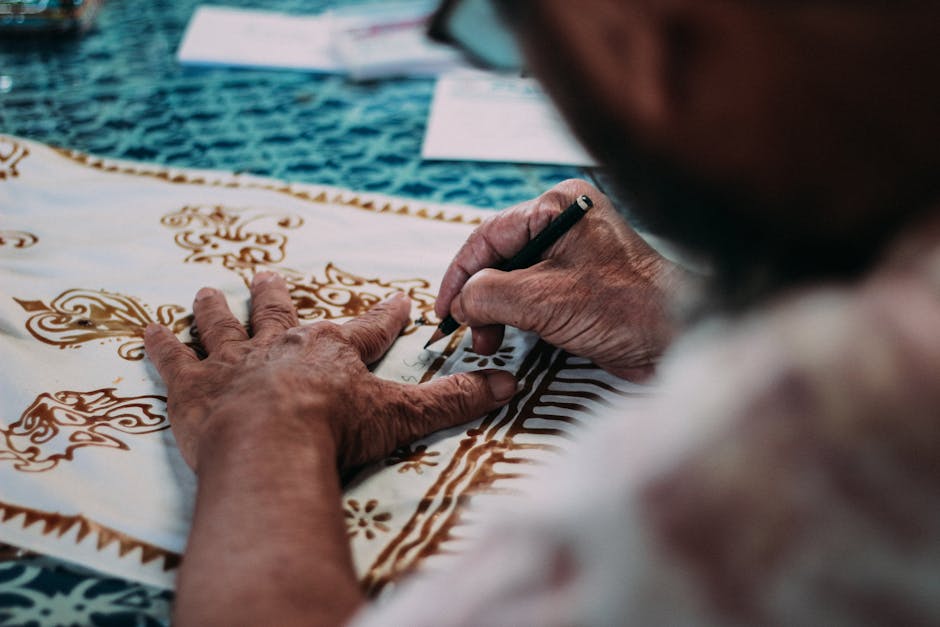
At its heart, batik is a resist dyeing technique. Think of it like this: you're essentially painting with wax to create a barrier, preventing the dye from coloring certain areas of the fabric. This process is repeated multiple times, with different colors and designs being added layer by layer. The result? A unique and visually stunning piece of art.
Batik isn't exclusive to Malaysia, of course. You can find similar traditions in Indonesia, India, and other parts of the world. But Malaysian batik has its own distinct character, influenced by the country's rich cultural heritage and diverse artistic traditions.
One of the things I love most about batik is the element of surprise. Even the most experienced artisan can't perfectly predict how the dye will interact with the wax, leading to beautiful imperfections and unique variations in each piece. It's this unpredictability that makes every batik creation truly one-of-a-kind.
A Glimpse into History: Batik's Malaysian Roots

While the precise origins of batik in Malaysia are a bit hazy, it's believed to have been introduced centuries ago, likely through trade with neighboring countries like Indonesia. Over time, however, Malaysian batik developed its own distinct style and identity.
Early Malaysian batik was often used for sarongs, traditional garments worn by both men and women. These early designs were often simpler, featuring geometric patterns and floral motifs. As the art form evolved, so did the complexity of the designs, with influences from Malay folklore, Islamic art, and even Chinese culture making their way into the patterns.
In the 20th century, batik experienced a revival, thanks in part to government initiatives that promoted the craft and helped to preserve traditional techniques. Today, batik is not only a cherished cultural icon but also a thriving industry, with Malaysian batik artists gaining recognition both locally and internationally.
The Batik Making Process: From Design to Dye
Okay, let's get into the nitty-gritty! The batik making process is a fascinating blend of skill, patience, and artistic vision. Here's a simplified breakdown of the steps involved:
- Design Creation: It all starts with a design! The artist either sketches the design directly onto the fabric or traces a pre-existing pattern. This requires a steady hand and a keen eye for detail.
- Wax Application: This is where the magic happens. Molten wax is applied to the fabric using a variety of tools, including:
- Canting: A small, pen-like tool with a copper spout used for drawing fine lines and intricate details. It takes a lot of practice to master the canting!
- Chop (Block): A copper stamp with a pre-carved design. The chop is dipped in wax and pressed onto the fabric, creating a repeating pattern. It's a faster way to apply wax to larger areas.
- Dyeing: Once the wax is applied, the fabric is immersed in dye. The wax-covered areas resist the dye, creating a pattern.
- Wax Removal: After dyeing, the wax is removed by boiling the fabric or using solvents. This reveals the original design underneath.
- Multiple Dyeing and Waxing: To create multi-colored designs, the process of waxing and dyeing is repeated multiple times, with different colors being applied in each step.
- Finishing: Finally, the fabric is washed, dried, and sometimes treated to enhance its color and durability.
I tried my hand at batik making once, and let me tell you, it's a lot harder than it looks! Holding the canting steady and creating smooth lines was a real challenge. But it gave me a whole new appreciation for the skill and dedication of batik artists.
Malaysian Batik Motifs: A Symphony of Symbols

The beauty of Malaysian batik lies not only in the technique but also in the rich symbolism of the motifs used. These motifs often reflect the country's natural environment, cultural heritage, and religious beliefs.
Here are some of the most common motifs you'll find in Malaysian batik:
- Floral Motifs: Flowers like hibiscus (Malaysia's national flower), orchids, and jasmine are popular choices, representing beauty, grace, and prosperity.
- Geometric Patterns: Intricate geometric patterns, often inspired by Islamic art, add a sense of order and harmony to the designs.
- Animal Motifs: Birds, butterflies, and fish are frequently featured, symbolizing freedom, transformation, and abundance.
- Wayang Kulit Characters: Characters from the traditional shadow puppet theatre, Wayang Kulit, are sometimes incorporated, adding a touch of folklore and storytelling to the designs.
- Batik Malaysia (Malaysia Batik): There are some modern designs that portray images that are synonymous with Malaysia. For instance, images of places, things or even food unique to Malaysia.
The specific meaning of each motif can vary depending on the region and the artist's interpretation. It's always fascinating to learn about the stories behind the designs and how they reflect the cultural values of the community.
Types of Malaysian Batik: A Colorful Spectrum

Malaysian batik comes in a variety of styles, each with its own unique characteristics. Here are a few of the most popular types:
- Hand-Drawn Batik (Batik Tulis): This is the most traditional and time-consuming type of batik. The entire design is drawn by hand using a canting, making each piece a true work of art.
- Block-Printed Batik (Batik Cap): This type of batik uses copper stamps (chops) to create repeating patterns. It's a faster and more efficient method than hand-drawing, but still requires a high level of skill and precision.
- Screen-Printed Batik: This is a more modern and mass-produced type of batik. The design is transferred onto a screen, and dye is applied through the screen onto the fabric. While it's less labor-intensive, it often lacks the intricate detail and unique character of hand-drawn or block-printed batik.
- Digital Batik: In recent times, new printing methods have emerged to meet the increasing demand of the younger generation of customers. These new methods use digital printing, rather than the traditional hand-drawn techniques.
When you're shopping for batik, it's important to know the difference between these types. Hand-drawn batik is generally the most expensive and highly valued, while screen-printed batik is more affordable and widely available.
Where to Find Authentic Malaysian Batik: A Shopper's Guide
If you're planning a trip to Malaysia, be sure to set aside some time for batik shopping! You'll find batik shops and stalls in almost every major city, but here are a few of my favorite places to find authentic and high-quality batik:
- Kuala Lumpur: Central Market, a historic art deco building, is a great place to browse a variety of batik designs and handicrafts. You'll also find many boutiques and galleries in Bukit Bintang and other shopping districts that sell high-end batik clothing and accessories.
- Terengganu and Kelantan: These states on the east coast of Peninsular Malaysia are known for their rich batik traditions. You can visit local workshops and see batik artisans at work, and purchase directly from them.
- Melaka: This historical city is another great place to find batik, especially traditional designs with influences from Chinese and Portuguese cultures.
When you're buying batik, be sure to look for pieces that are made from high-quality materials and feature intricate designs. Don't be afraid to ask questions about the batik making process and the symbolism of the motifs. The more you know, the more you'll appreciate the art and craftsmanship that goes into each piece.
Batik in Modern Fashion: A Timeless Trend

Batik isn't just a traditional art form; it's also a timeless fashion trend. Malaysian designers have been incorporating batik into their collections for years, creating stunning contemporary pieces that showcase the beauty and versatility of the fabric.
You can find batik in everything from dresses and shirts to skirts, pants, and even handbags and shoes. It's a great way to add a touch of Malaysian flair to your wardrobe and support local artisans at the same time.
One of my favorite ways to wear batik is to pair a simple batik top with jeans or a skirt. It's a casual yet stylish look that's perfect for everyday wear. For more formal occasions, you can opt for a stunning batik dress or a tailored batik suit.
Caring for Your Batik: Tips and Tricks

To keep your batik looking its best, it's important to care for it properly. Here are a few tips to keep in mind:
- Hand Wash or Gentle Machine Wash: Batik is delicate, so it's best to hand wash it in cold water with a mild detergent. If you prefer to machine wash it, use a gentle cycle and place the batik in a mesh laundry bag to protect it from damage.
- Avoid Harsh Chemicals: Don't use bleach or other harsh chemicals on your batik, as they can damage the fibers and fade the colors.
- Dry in the Shade: Avoid drying your batik in direct sunlight, as this can also cause the colors to fade. Hang it to dry in a shady spot or use a low heat setting on your dryer.
- Iron on Low Heat: If you need to iron your batik, use a low heat setting and iron it on the reverse side.
- Store Properly: Store your batik in a cool, dry place away from direct sunlight. You can also wrap it in acid-free tissue paper to protect it from dust and moths.
With proper care, your batik will last for years and become a cherished heirloom.
More Than Just Fabric: Batik's Cultural Significance

Beyond its aesthetic appeal and economic value, batik holds deep cultural significance in Malaysia. It's a symbol of national identity, a source of pride for local communities, and a tangible link to the country's rich artistic heritage.
Batik is often worn during special occasions, such as weddings, festivals, and official events. It's also used to decorate homes and public spaces, adding a touch of elegance and cultural charm. It's a representation of everything Malaysian! The artistry, ingenuity and the culture it emanates.
By supporting Malaysian batik, you're not just buying a beautiful piece of fabric; you're also contributing to the preservation of a valuable cultural tradition and empowering local artisans.
My Batik Journey: A Personal Reflection

My exploration of Malaysian batik has been an incredibly enriching experience. It's opened my eyes to the beauty and complexity of traditional crafts and deepened my appreciation for the artistry and skill of the artisans who create them.
I've learned that batik is more than just fabric; it's a story woven with wax and dye, a reflection of Malaysia's rich cultural heritage, and a testament to the enduring power of human creativity.
I hope this article has inspired you to learn more about Malaysian batik and perhaps even embark on your own batik journey. Whether you're a seasoned traveler, a fashion enthusiast, or simply someone who appreciates beautiful things, I believe you'll find something to love in this vibrant and captivating art form. Go forth and explore the world of Malaysian Batik!

Post a Comment for "The Art of Batik: Weaving Stories Through Wax and Dye in Malaysia"
Post a Comment