First-Time Traveler's Guide to Malaysia: Essential Tips & Tricks for an Unforgettable Adventure

First-Time Traveler's Guide to Malaysia: Essential Tips & Tricks for an Unforgettable Adventure
Malaysia! Just the name conjures up images of bustling cities, lush rainforests, pristine beaches, and mouthwatering food. I remember the excitement (and a healthy dose of nervousness) I felt before my first trip there. It's a truly captivating country, but planning ahead can make all the difference between a good trip and an absolutely unforgettable one. So, consider me your friendly guide! I'm going to share some essential tips and tricks to help you navigate your first adventure in Malaysia like a pro.
Pre-Trip Planning: Setting the Stage for Success

Before you even think about packing your bags, a little groundwork is essential. This stage is about laying the foundation for a smooth and enjoyable experience.
1. Visas and Entry Requirements:
This is perhaps the most crucial step. Many nationalities can enter Malaysia visa-free for tourism purposes for up to 90 days, but it's absolutely vital to check the specific requirements for your passport. Don't rely on outdated information; always consult the official website of the Malaysian Immigration Department. Make sure your passport is valid for at least six months beyond your intended stay. I've seen people turned away at the airport for failing to check this, and it's a devastating way to start (or not start) your vacation!
2. Best Time to Visit:
Malaysia enjoys a tropical climate, which means it's generally hot and humid year-round. However, the best time to visit depends on which part of the country you plan to explore. The west coast (Kuala Lumpur, Penang, Langkawi) is generally drier from November to February, while the east coast (Perhentian Islands, Tioman Island) is best visited between March and September. Avoid the monsoon season (November to March on the east coast) as many resorts and ferry services may be closed due to rough seas. I learned this the hard way when I tried to visit the Perhentian Islands in November – a very wet and disappointing experience!
3. Booking Flights and Accommodation:
Book your flights and accommodation well in advance, especially if you're traveling during peak season. Websites like Skyscanner, Kayak, and Google Flights are great for finding deals on flights. For accommodation, consider using Booking.com, Agoda, or Airbnb. Malaysia offers a wide range of options, from budget-friendly hostels and guesthouses to luxurious hotels and resorts. Think about what kind of experience you're after and choose accordingly. I personally prefer staying in boutique hotels or guesthouses for a more authentic feel.
4. Travel Insurance:
Never, ever travel without travel insurance! It's a non-negotiable. Accidents happen, flights get delayed, and things can go wrong. Comprehensive travel insurance will cover medical expenses, trip cancellations, lost luggage, and other unforeseen events. I use World Nomads, but do your research and find a policy that suits your needs and budget. Think of it as a small price to pay for peace of mind.
5. Learn a Few Basic Phrases:
While English is widely spoken in Malaysia, especially in tourist areas, learning a few basic Malay phrases will go a long way in showing respect and enhancing your interactions with locals. "Terima kasih" (thank you), "Selamat pagi" (good morning), "Selamat petang" (good afternoon), and "Apa khabar?" (how are you?) are all easy to learn and will be greatly appreciated. Trust me, even a small effort to speak the local language will open doors and create warmer connections.
Navigating Malaysia: Getting Around and Staying Connected

Once you've arrived, getting around and staying connected are crucial for a smooth and enjoyable experience. Here's what you need to know:
1. Transportation Options:
Malaysia has a well-developed transportation system. Here are some options:
- Taxis and Ride-Hailing Apps: Taxis are readily available in cities, but make sure the meter is running or agree on a fare beforehand. Ride-hailing apps like Grab are very popular and often more convenient and affordable. I use Grab almost exclusively in Kuala Lumpur; it's easy to use and the fares are transparent.
- Public Transportation: Kuala Lumpur has an excellent public transportation system, including the LRT (Light Rail Transit), MRT (Mass Rapid Transit), monorail, and buses. The KTM Komuter is a commuter train that connects the city with surrounding areas. The RapidKL website has route maps and fare information.
- Buses: Long-distance buses are a cost-effective way to travel between cities. Companies like Transnasional and Aeroline offer comfortable and reliable services. Book your tickets online in advance, especially during peak season.
- Trains: The Malayan Railway (KTM) operates train services throughout Peninsular Malaysia. The trains are comfortable and offer scenic views, but the journey times can be longer than buses.
- Ferries: Ferries are the primary mode of transport to islands like Langkawi, Penang, and the Perhentian Islands. Book your tickets in advance, especially during peak season.
- Renting a Car or Scooter: Renting a car or scooter can be a good option for exploring more remote areas, but be aware that traffic can be heavy and driving conditions can be challenging. You'll need an international driving permit. I personally prefer not to drive in Kuala Lumpur due to the traffic, but I've enjoyed renting a scooter in Langkawi.
2. SIM Card and Internet Access:
Staying connected is essential for navigating, booking transportation, and keeping in touch with family and friends. Purchase a local SIM card upon arrival at the airport or from a convenience store. Celcom, Maxis, and Digi are the major providers and offer affordable data packages. Alternatively, you can use Wi-Fi, which is available in many hotels, cafes, and restaurants. However, a local SIM card offers much greater convenience and flexibility. I always get a SIM card upon arrival; it makes life so much easier.
3. Currency and Payment Methods:
The Malaysian currency is the Ringgit (MYR). Credit cards are widely accepted in larger establishments, but it's always a good idea to carry cash, especially when visiting smaller towns and markets. ATMs are readily available in cities and towns. Be sure to inform your bank that you'll be traveling to Malaysia to avoid your card being blocked. I always carry a mix of cash and credit cards and try to use cash in smaller establishments. Be aware of ATM fees, which can add up if you withdraw small amounts frequently.
Food and Drink: A Culinary Adventure

Malaysian cuisine is a melting pot of flavors, influenced by Malay, Chinese, Indian, and European cultures. Get ready for a culinary adventure!
1. Must-Try Dishes:
Here are a few dishes you absolutely must try:
- Nasi Lemak: The national dish of Malaysia, nasi lemak consists of fragrant rice cooked in coconut milk and pandan leaf, served with fried chicken, sambal, peanuts, and boiled egg.
- Laksa: A spicy noodle soup that comes in various regional variations, such as Assam Laksa (Penang) and Sarawak Laksa.
- Char Kway Teow: Stir-fried rice noodles with prawns, cockles, Chinese sausage, and vegetables.
- Roti Canai: A flaky flatbread served with dhal or curry.
- Satay: Grilled skewers of marinated meat served with peanut sauce.
- Hokkien Mee: Thick yellow noodles stir-fried with prawns, pork, and dark soy sauce.
2. Where to Eat:
Malaysia offers a wide range of dining options:
- Hawker Centers: These are open-air food courts where you can find a variety of local dishes at affordable prices. They're a great place to sample different cuisines.
- Restaurants: Malaysia has a wide range of restaurants, from casual eateries to fine-dining establishments.
- Street Food Stalls: Street food is a big part of Malaysian culture. Be adventurous and try some of the local delicacies.
3. Food Safety:
While Malaysian food is generally safe, it's always a good idea to take precautions. Choose reputable establishments, avoid eating food that has been left out in the open for a long time, and drink bottled water. I always look for places that are busy and frequented by locals; that's usually a good sign.
4. Drinks:
Don't miss out on these local beverages:
- Teh Tarik: "Pulled tea," a frothy milk tea made by pouring the tea back and forth between two cups.
- Kopi: Malaysian coffee, often served with condensed milk.
- Air Batu Campur (ABC): A shaved ice dessert with various toppings.
- Fresh Fruit Juices: Malaysia has a wide variety of delicious tropical fruits.
Culture and Customs: Respecting Local Traditions
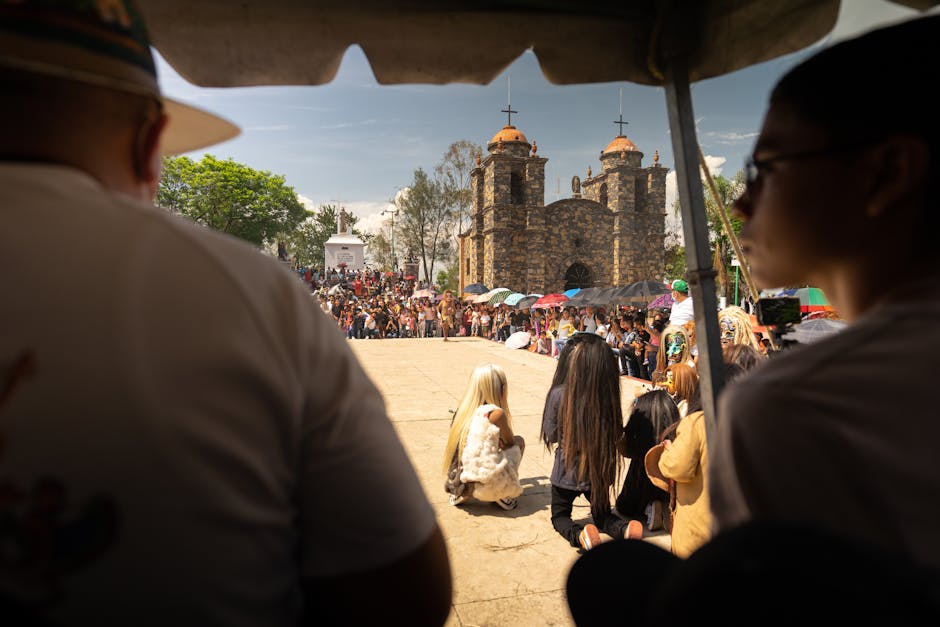
Malaysia is a multicultural country with a rich history and diverse traditions. It's important to be respectful of local customs and etiquette.
1. Dress Code:
While Malaysia is a relatively liberal country, it's important to dress modestly, especially when visiting religious sites. Avoid wearing revealing clothing and cover your shoulders and knees. I always pack a scarf that I can use to cover up if needed.
2. Religious Customs:
Malaysia is a Muslim-majority country, so it's important to be respectful of Islamic customs. Remove your shoes before entering a mosque, and avoid eating or drinking in public during Ramadan (the Muslim fasting month). Be mindful of prayer times and avoid making loud noises near mosques. I once accidentally walked into a mosque during prayer time and felt incredibly embarrassed; lesson learned!
3. Greetings and Interactions:
The traditional Malay greeting is the "salam," where you lightly touch the hands and then bring them to your chest. When interacting with locals, be polite and respectful. Avoid pointing with your index finger, as this is considered rude. Use your thumb instead. It's also considered impolite to use your left hand to give or receive things, as it's traditionally used for personal hygiene.
4. Tipping:
Tipping is not customary in Malaysia, but it's always appreciated for good service. You can round up the bill or leave a small tip (5-10%) at restaurants and for taxi drivers.
Safety and Health: Staying Safe and Healthy

Your safety and health are paramount. Here are some tips to help you stay safe and healthy during your trip.
1. General Safety Tips:
Malaysia is generally a safe country, but it's always important to be aware of your surroundings. Be cautious of petty theft, especially in crowded areas. Keep your valuables secure and avoid walking alone at night in poorly lit areas. Don't flash expensive jewelry or electronic devices. I always keep my bag close to me and avoid carrying large amounts of cash.
2. Health Precautions:
Consult your doctor about recommended vaccinations and medications before your trip. Dengue fever is a risk in Malaysia, so take precautions against mosquito bites, such as wearing long sleeves and pants, using insect repellent, and sleeping under a mosquito net. Drink bottled water and avoid ice unless you're sure it's made from purified water. I always carry hand sanitizer and use it frequently.
3. Emergency Numbers:
In case of an emergency, the following numbers may be useful:
- Police: 999
- Ambulance: 999
- Fire Department: 999
Packing Essentials: What to Bring

Packing the right items can make your trip much more comfortable. Here's a list of essentials:
- Lightweight and breathable clothing
- Comfortable walking shoes
- Sunscreen
- Insect repellent
- Hat or cap
- Sunglasses
- Universal adapter
- Portable charger
- Reusable water bottle
- First-aid kit
- Toiletries
- Small backpack or daypack
Final Thoughts: Embrace the Adventure!

Malaysia is a truly captivating country with something to offer every traveler. By following these tips and tricks, you can ensure a smooth, safe, and unforgettable adventure. Be open to new experiences, embrace the local culture, and don't be afraid to step outside your comfort zone. Malaysia is waiting to be explored, so go out there and make some memories!
Most importantly, remember to relax, have fun, and enjoy the journey. Selamat jalan (happy travels)!

Post a Comment for "First-Time Traveler's Guide to Malaysia: Essential Tips & Tricks for an Unforgettable Adventure"
Post a Comment