Photography Guide to Malaysia: Capturing the Magic of Southeast Asia

Photography Guide to Malaysia: Capturing the Magic of Southeast Asia
Hey there, fellow shutterbug! Ever dreamt of a photography adventure that's a vibrant explosion of culture, nature, and delectable food? Well, let me tell you, Malaysia is the answer! I've spent a good chunk of time exploring this beautiful Southeast Asian gem with my camera in hand, and I'm bursting to share my experiences and tips with you. Think of this as your personal photography guide to capturing the magic of Malaysia.
Planning Your Malaysian Photography Trip

Okay, so where do we start? Like any good adventure, a little planning goes a long way. Here's what I've learned:
- Best Time to Visit: Malaysia is a tropical country, meaning it's generally hot and humid year-round. However, the best time to visit depends on which coast you're focusing on.
- West Coast (Kuala Lumpur, Penang, Langkawi): The dry season is typically from November to February. Expect sunny skies and lower humidity – perfect for exploring and shooting!
- East Coast (Perhentian Islands, Tioman Island): The dry season here is from March to September. This is when you'll find the calmest seas and clearest waters, ideal for underwater photography and island hopping.
- Visa Requirements: Good news! Many nationalities can enter Malaysia visa-free for tourism purposes (usually up to 90 days). Always double-check the specific requirements for your country before you travel, though! Better safe than sorry.
- Essential Gear: This is crucial! Don't just grab any old camera bag. Consider what you realistically need and can comfortably carry.
- Camera Body: A reliable DSLR or mirrorless camera is ideal. I personally love my [Insert your camera brand and model here!] for its versatility.
- Lenses: My go-to combo is a wide-angle lens (for landscapes and cityscapes), a versatile zoom lens (for general use), and a prime lens (for portraits and low-light situations). Something like a 16-35mm, 24-70mm, and 50mm would be a great starting point.
- Batteries and Memory Cards: Trust me on this – pack extra! Nothing's worse than running out of juice or storage space when you're in the middle of capturing an amazing scene.
- Tripod: Essential for long exposures, night photography, and stabilizing your shots. A lightweight travel tripod is a lifesaver.
- Filters: A polarizing filter can reduce glare and enhance colors, especially when photographing water and landscapes. A neutral density (ND) filter is great for long exposures in bright light.
- Rain Cover: Malaysia's tropical climate means unexpected showers are common. Protect your gear with a waterproof cover.
Must-Visit Photography Locations in Malaysia
Okay, now for the fun part: deciding where to point your camera! Malaysia is bursting with incredible locations. Here are a few of my absolute favorites:
- Kuala Lumpur: The bustling capital city is a photographer's playground.
- Petronas Twin Towers: These iconic skyscrapers are a must-photograph. Try capturing them at different times of day, including the golden hour and blue hour.
- Batu Caves: A Hindu shrine nestled in limestone hills, featuring a giant golden statue and vibrant, colorful steps. It's a feast for the eyes (and the camera!). Be mindful of the monkeys, though! They're cheeky and love to steal snacks (and sometimes even cameras!).
- Kuala Lumpur Street Art: Explore the hidden alleyways of KL and discover vibrant street art murals. Bukit Bintang and Chinatown are great places to start.
- Thean Hou Temple: An ornate and beautiful Chinese temple with stunning views of the city.
- Penang: A UNESCO World Heritage Site, Penang is a melting pot of cultures, with stunning architecture, delicious food, and captivating street art.
- George Town Street Art: The famous street art of George Town is playful, quirky, and incredibly photogenic. Grab a map and go on a treasure hunt!
- Kek Lok Si Temple: One of the largest Buddhist temples in Southeast Asia, boasting intricate architecture and panoramic views.
- Clan Jetties: Wooden settlements built on stilts over the water, offering a glimpse into the history and culture of Penang's Chinese community.
- Penang Hill: Take the funicular up to Penang Hill for breathtaking views of the island.
- Langkawi: An archipelago of islands known for its pristine beaches, lush rainforests, and stunning sunsets.
- Langkawi Sky Bridge: A curved pedestrian bridge suspended high above the rainforest, offering incredible views.
- Pantai Cenang: Langkawi's most popular beach, perfect for sunset photography.
- Kilim Karst Geoforest Park: Explore the mangrove forests by boat and capture the unique limestone formations.
- Telaga Tujuh Waterfalls: A series of seven cascading waterfalls, surrounded by lush greenery.
- Cameron Highlands: A hill station known for its tea plantations, strawberry farms, and cool climate.
- BOH Tea Plantation: Capture the rolling hills of vibrant green tea plants. The early morning mist adds a magical touch.
- Strawberry Farms: Photograph the colorful rows of strawberry plants and indulge in some fresh strawberry treats.
- Mossy Forest: A surreal and enchanting forest covered in moss and lichens. It's like stepping into a fairy tale.
- Gunung Brinchang: The highest point in the Cameron Highlands, offering panoramic views of the surrounding landscape.
- Taman Negara National Park: One of the world's oldest rainforests, offering incredible opportunities for wildlife and nature photography.
- Canopy Walkway: Walk among the treetops on the world's longest canopy walkway.
- Night Jungle Walks: Experience the rainforest come alive at night and capture the nocturnal wildlife.
- River Cruises: Explore the Tembeling River by boat and spot wildlife along the riverbanks.
Tips for Capturing the Magic
Okay, you've got your gear, you've chosen your locations, now let's talk about actually capturing those amazing shots! Here are a few tips I've picked up along the way:
- Embrace the Golden Hour and Blue Hour: These are the magical times of day when the light is soft and warm (golden hour) or cool and ethereal (blue hour). Plan your shoots around these times for the best results.
- Shoot in RAW: This gives you more flexibility when editing your photos. RAW files contain more information than JPEGs, allowing you to adjust exposure, white balance, and other settings without losing image quality.
- Learn the Rule of Thirds: This is a basic composition technique that involves dividing your image into nine equal parts with two horizontal and two vertical lines. Place your subject along these lines or at the intersections for a more visually appealing composition.
- Experiment with Different Perspectives: Don't just stand in one spot and take a photo. Try shooting from a low angle, a high angle, or a unique viewpoint to create more interesting and dynamic images.
- Interact with Locals: Malaysia is known for its friendly and welcoming people. Don't be afraid to strike up a conversation, ask for permission to take their photo, and learn about their culture. Be respectful and genuine, and you'll be rewarded with amazing photographic opportunities.
- Capture the Details: Don't just focus on the grand landscapes and iconic landmarks. Pay attention to the small details that make Malaysia unique, such as the vibrant colors of the textiles, the intricate patterns of the architecture, and the delicious textures of the food.
- Tell a Story: Think about the story you want to tell with your photos. What emotions do you want to evoke? What message do you want to convey? Use your photos to capture the essence of Malaysia and share your experiences with the world.
- Be Patient: Sometimes, the best photos take time. Be patient, wait for the right light, and don't be afraid to experiment.
- Embrace the Imperfection: Not every photo will be perfect, and that's okay! Embrace the imperfections and learn from your mistakes. The most important thing is to have fun and capture the memories.
- Respect Local Customs: Malaysia is a multicultural country with diverse customs and traditions. Be respectful of local customs and dress modestly when visiting religious sites. Ask for permission before taking photos of people, especially in rural areas.
Post-Processing Your Malaysian Photos
Okay, you've captured all those amazing photos – now what? Post-processing is where you can really bring your images to life. Here are a few tips:
- Use a Photo Editing Software: Adobe Lightroom and Adobe Photoshop are the industry standards, but there are also free alternatives like GIMP and Darktable.
- Adjust Exposure and White Balance: These are the basic adjustments that can make a huge difference in the overall look of your photos. Correcting the exposure can brighten or darken your image, while adjusting the white balance can correct any color casts.
- Enhance Colors: Use the saturation and vibrance sliders to enhance the colors in your photos. Be careful not to overdo it, though! You want your photos to look natural, not artificial.
- Sharpen Your Images: Sharpening can help to bring out the details in your photos. However, be careful not to over-sharpen, as this can create unwanted artifacts.
- Remove Noise: Noise can be a problem, especially when shooting in low light. Use a noise reduction tool to reduce the amount of noise in your photos.
- Crop Your Images: Cropping can improve the composition of your photos and remove any distracting elements.
- Save Your Images in High Resolution: When saving your photos, make sure to save them in high resolution so that they look their best when printed or displayed online.
Food Photography: Capturing the Flavors of Malaysia
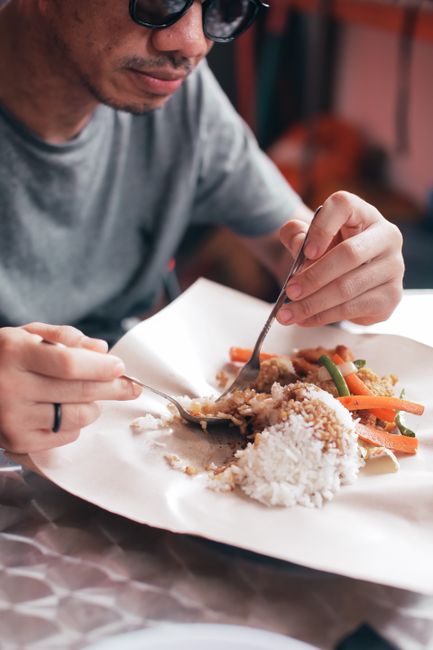
Let's be honest, a trip to Malaysia isn't complete without indulging in the incredible cuisine. And, of course, photographing it! Here's my quick guide to capturing the flavors:
- Natural Light is Key: Whenever possible, shoot your food photos in natural light. Avoid using direct sunlight, as this can create harsh shadows. Instead, try shooting near a window or in a shaded area.
- Composition is Everything: Think about the composition of your food photos. Try using the rule of thirds, or experiment with different angles and perspectives.
- Focus on the Details: Pay attention to the details of the food, such as the textures, colors, and garnishes. Use a shallow depth of field to blur the background and draw attention to the food.
- Tell a Story: Think about the story you want to tell with your food photos. What makes this dish special? What are the ingredients? What is the history behind it?
- Don't Be Afraid to Experiment: Food photography is all about experimentation. Don't be afraid to try new things and see what works best for you.
And most importantly, eat the food after you've photographed it! Malaysian cuisine is an adventure in itself.
Final Thoughts: Go Explore and Create!
Malaysia is a photographer's dream come true. With its diverse landscapes, vibrant culture, and friendly people, it offers endless opportunities to capture stunning images. So pack your bags, grab your camera, and get ready for an unforgettable adventure. Don't be afraid to explore, experiment, and most importantly, have fun! I hope this guide has given you a good starting point for your photographic journey through Malaysia. Happy shooting!

Post a Comment for "Photography Guide to Malaysia: Capturing the Magic of Southeast Asia"
Post a Comment