Responsible Tourism in Malaysia: Travel Ethically & Sustainably
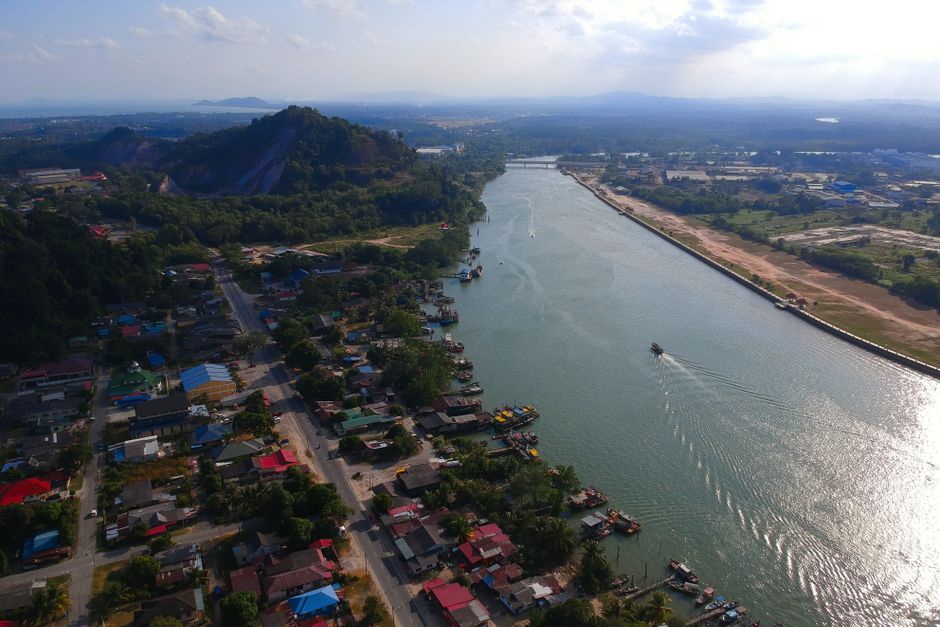
Responsible Tourism in Malaysia: Travel Ethically & Sustainably
Hey there, fellow wanderers! Have you ever felt that pang of guilt after a fantastic trip, wondering about the impact you left behind? I know I have. Malaysia, with its vibrant culture, breathtaking landscapes, and delicious food, is a dream destination for so many of us. But let's be honest, sometimes our travel habits can inadvertently harm the very places we love. That's why I want to chat about responsible tourism in Malaysia – traveling in a way that benefits both you and the communities you visit. It's not about sacrificing the fun; it's about enhancing it!
What is Responsible Tourism, Anyway?

So, what exactly does "responsible tourism" mean? It's more than just recycling your water bottle (though that's definitely a good start!). It's about being mindful of your impact on the environment, the local culture, and the economy of the place you're visiting. Think of it as traveling with a conscience. We want to minimize the negative impacts of tourism and maximize the positive ones. It's about ensuring that future generations can enjoy the same beauty and cultural richness that we do today.
Here's how I like to break it down:
- Environmental Responsibility: Reducing your carbon footprint, conserving resources, and respecting the natural environment. Think reducing waste, supporting eco-friendly accommodations, and avoiding activities that harm wildlife or ecosystems.
- Cultural Sensitivity: Respecting local customs, traditions, and heritage. Learning about the local culture before you go, dressing appropriately, and being mindful of local etiquette are all part of it.
- Economic Benefits: Supporting local businesses, buying locally made products, and ensuring that your money stays within the community. This means choosing locally owned guesthouses, eating at local restaurants, and buying souvenirs directly from artisans.
- Social Responsibility: Treating people with respect and fairness. Avoiding exploitative practices, supporting ethical tourism operators, and being mindful of your interactions with locals.
Why is Responsible Tourism Important in Malaysia?
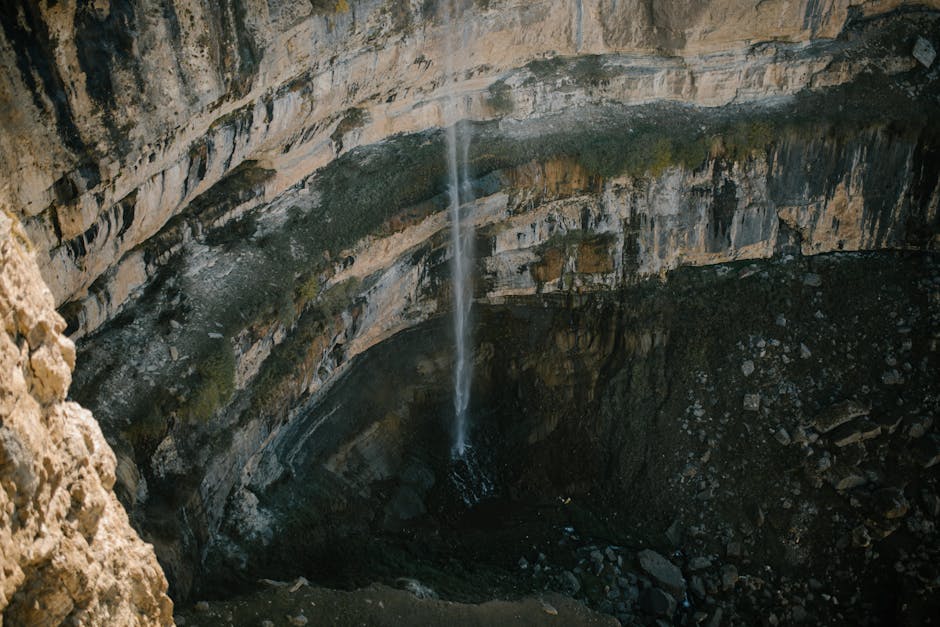
Malaysia is a biodiversity hotspot, home to lush rainforests, stunning coral reefs, and incredible wildlife, like orangutans and proboscis monkeys. But these natural treasures are facing increasing pressure from deforestation, pollution, and unsustainable tourism practices. Think about the impact of mass tourism on fragile ecosystems like coral reefs – the damage can be irreversible.
Moreover, Malaysia boasts a rich cultural heritage, blending Malay, Chinese, Indian, and indigenous influences. Responsible tourism helps preserve these traditions and ensures that local communities benefit from tourism, rather than being exploited or displaced. Imagine a traditional village being forced to relocate to make way for a large resort – that's the kind of scenario we want to avoid.
Here's why I believe it matters, personally:
- Protecting Natural Beauty: Ensuring that Malaysia's stunning landscapes remain pristine for future generations.
- Preserving Cultural Heritage: Supporting local traditions and ensuring that they thrive.
- Empowering Local Communities: Creating economic opportunities for local people and ensuring that they benefit from tourism.
- Enhancing Your Travel Experience: By connecting with local communities and experiencing the authentic side of Malaysia, your trip will be far more meaningful and enriching.
Practical Tips for Traveling Responsibly in Malaysia

Okay, enough with the theory! Let's get down to the nitty-gritty. How can you actually travel responsibly in Malaysia? Here are some practical tips I've learned along the way:
1. Choose Eco-Friendly Accommodation
Look for hotels, guesthouses, and homestays that are committed to sustainability. Check for certifications like Green Globe or EarthCheck, or simply ask about their environmental practices. Do they conserve water? Do they use renewable energy? Do they recycle? Even small steps can make a big difference. I once stayed at a lovely little guesthouse in Langkawi that used solar power and collected rainwater – it was so inspiring!
2. Reduce Your Carbon Footprint
Flying is a major contributor to carbon emissions, so consider taking longer trips less frequently. Once you're in Malaysia, opt for public transportation, trains, or buses instead of renting a car. Walking and cycling are also great ways to explore at a slower pace and discover hidden gems. When I was in Penang, I loved exploring George Town on foot – it's a fantastic way to soak in the atmosphere and discover hidden street art.
3. Minimize Waste
Plastic waste is a huge problem in Malaysia, like many other places. Bring your own reusable water bottle, shopping bag, and toiletries. Say no to single-use plastics whenever possible. Consider using a bamboo toothbrush and solid shampoo bars to reduce plastic waste further. I always carry a reusable shopping bag with me – it comes in handy everywhere!
4. Support Local Businesses
Instead of eating at international chain restaurants, try local eateries and hawker stalls. Buy souvenirs from local artisans and craftspeople. Shop at local markets instead of large supermarkets. This way, you're directly supporting the local economy and helping to preserve traditional crafts. I have some beautiful batik scarves that I bought directly from the artisans in Kuala Terengganu – they're not just souvenirs, they're pieces of art.
5. Respect Local Culture
Learn a few basic Malay phrases like "terima kasih" (thank you) and "selamat pagi" (good morning). Dress respectfully, especially when visiting religious sites. Be mindful of local customs and traditions. Avoid public displays of affection. Ask permission before taking photos of people. A little effort goes a long way in showing respect for the local culture. I once accidentally wore shorts to a mosque and felt terrible – lesson learned!
6. Be Mindful of Wildlife
Avoid activities that harm wildlife, such as riding elephants or visiting unethical animal attractions. Choose responsible wildlife tours that prioritize conservation and animal welfare. Do your research and choose tour operators that are accredited by reputable organizations. Remember, we are visitors in their home. The orangutan rehabilitation center in Sepilok is a great example of ethical wildlife tourism.
7. Conserve Water and Energy
Be mindful of your water and energy consumption. Take shorter showers, turn off lights when you leave the room, and avoid excessive air conditioning. Even small actions can add up. I always try to air dry my clothes instead of using the dryer – it saves energy and gives them a lovely fresh smell.
8. Choose Ethical Tour Operators
Look for tour operators that are committed to responsible tourism practices. Ask about their environmental policies, their support for local communities, and their ethical treatment of animals. Choose operators that hire local guides and support local initiatives. I once went on a jungle trekking tour in Taman Negara with a local guide who shared so much about the rainforest and the indigenous communities – it was an unforgettable experience.
9. Learn About Local Issues
Take the time to learn about the social and environmental issues facing Malaysia. This will help you to be a more informed and responsible traveler. Read local news, talk to local people, and visit local organizations. The more you know, the better you can understand the challenges and contribute to solutions. I learned so much about deforestation in Borneo by talking to local conservationists.
10. Spread the Word!
Share your experiences and inspire others to travel responsibly. Talk to your friends and family, write blog posts, and share your photos on social media. The more people who are aware of responsible tourism, the greater the impact we can have. I'm passionate about responsible travel, which is why I'm writing this article!
Examples of Responsible Tourism Initiatives in Malaysia

Fortunately, there are many inspiring examples of responsible tourism initiatives in Malaysia. Here are a few that I've come across:
- Batek Malaysia: This company promotes sustainable batik production and empowers local artisans. They offer workshops and tours where you can learn about the art of batik and support local communities.
- Sepilok Orangutan Rehabilitation Centre: This center rescues and rehabilitates orphaned orangutans. Visitors can observe the orangutans in their natural habitat and learn about conservation efforts.
- Taman Negara National Park: This park offers responsible jungle trekking tours that prioritize conservation and support local communities.
- Sukau Rainforest Lodge: Located on the Kinabatangan River in Sabah, this lodge is renowned for its commitment to sustainable practices and community engagement.
- Numerous Homestays across Malaysia: Staying in a homestay offers a truly immersive cultural experience and supports local families directly.
Common Misconceptions About Responsible Tourism

Let's address some common misconceptions about responsible tourism. Some people think it's expensive, inconvenient, or boring. But that's simply not true! Responsible tourism can be just as fun and rewarding as traditional tourism, and it doesn't have to break the bank. In fact, it can often be cheaper, as you're more likely to eat at local restaurants and stay in budget-friendly accommodations.
Another misconception is that responsible tourism is only for "serious" travelers. But anyone can travel responsibly, regardless of their budget, interests, or travel style. It's all about making conscious choices and being mindful of your impact. Even small changes can make a big difference.
My Personal Experiences with Responsible Travel in Malaysia
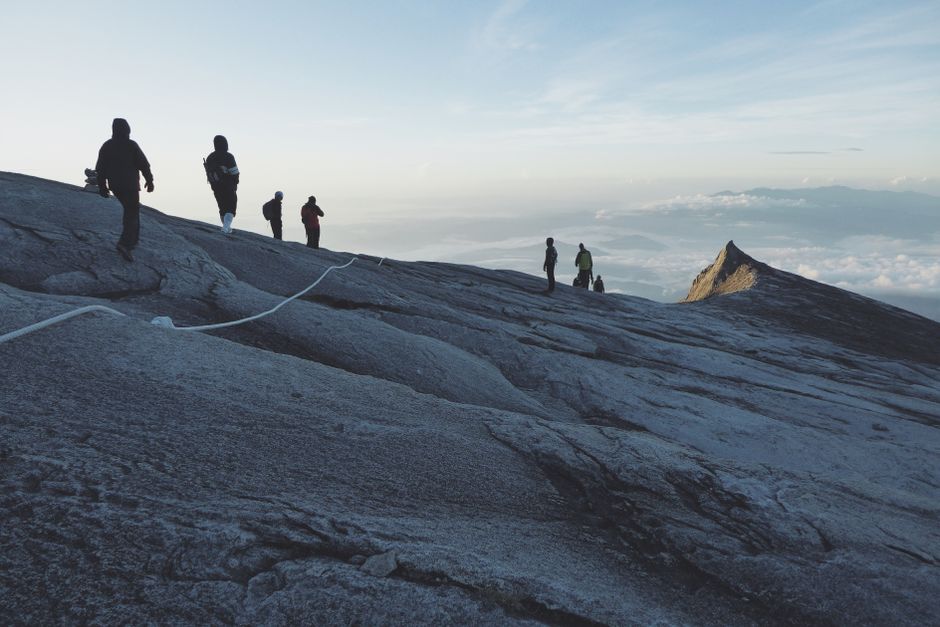
I've had some incredible experiences traveling responsibly in Malaysia. I remember staying in a small village in Sarawak, learning about the local Iban culture, and helping to plant trees in a reforestation project. It was such a rewarding experience to connect with the community and contribute to something meaningful. I've also volunteered at a turtle hatchery on the east coast of Malaysia, helping to protect endangered sea turtles. These experiences have enriched my travels immeasurably and have made me a more conscious and responsible traveler.
I'll never forget the time I visited a small family-run business making traditional Malay cakes. They showed me the whole process, from grinding the rice flour to steaming the cakes in banana leaves. It was so much more rewarding than buying mass-produced sweets at a supermarket!
The Future of Responsible Tourism in Malaysia
I'm optimistic about the future of responsible tourism in Malaysia. As more and more travelers become aware of the importance of sustainability and ethical travel, the demand for responsible tourism products and services will continue to grow. The Malaysian government is also increasingly recognizing the importance of sustainable tourism and is implementing policies to promote it. I believe that responsible tourism is not just a trend, but a fundamental shift in the way we travel. It's about creating a more sustainable and equitable world for all.
So, the next time you plan a trip to Malaysia, I encourage you to consider these tips and make conscious choices that will benefit both you and the communities you visit. Let's all do our part to travel ethically and sustainably, and ensure that Malaysia's beauty and cultural richness are preserved for generations to come. Happy travels!

Post a Comment for "Responsible Tourism in Malaysia: Travel Ethically & Sustainably"
Post a Comment