Mount Kinabalu: My Journey to the Roof of Southeast Asia

Mount Kinabalu: My Journey to the Roof of Southeast Asia
Mount Kinabalu. The name itself conjures images of majestic granite peaks piercing through swirling clouds, a challenge whispered in the wind. It's Southeast Asia's highest peak, standing tall and proud in Sabah, Malaysian Borneo. For years, I'd dreamed of standing on its summit, Low's Peak, and finally, I did. Let me share my adventure – the highs, the lows, and everything in between – so you can prepare for your own unforgettable climb.
Why Mount Kinabalu? The Allure of the Summit

Why did I choose Kinabalu? Well, the answer is multifaceted. Firstly, there's the sheer bragging rights of conquering Southeast Asia's highest mountain. It's a significant achievement, a testament to physical and mental endurance. But it's much more than that.
Secondly, Kinabalu offers an incredible biodiversity. The mountain is a UNESCO World Heritage Site, boasting an astonishing array of flora and fauna, many of which are endemic, meaning they can't be found anywhere else on Earth. Imagine trekking through lush rainforest teeming with orchids, pitcher plants, and colourful birds, before ascending into a stark, otherworldly landscape of bare rock. It's a feast for the senses and a photographer's paradise.
Thirdly, and perhaps most importantly for me, it's a manageable climb for experienced hikers while still presenting a serious challenge. Unlike some Himalayan peaks that require months of training and specialized mountaineering equipment, Kinabalu can be conquered with a good level of fitness and a solid acclimatization plan. This accessibility, coupled with its breathtaking scenery, makes it a hugely popular destination for climbers of all nationalities.
Planning Your Kinabalu Adventure: Permits, Packages, and Preparation

Before you even lace up your boots, proper planning is absolutely crucial. Securing permits is the first and most important step. Demand is high, especially during peak season (March-September), so you'll need to book well in advance – often months ahead. These permits are limited to protect the mountain environment, so don't delay! You can usually book through licensed tour operators, which I highly recommend as they handle all the logistics for you.
Here's a breakdown of what you need to consider:
- Tour Packages: Almost all climbers book a 2D1N or 3D2N package. The 2D1N is the most common, involving climbing to Laban Rata Resthouse on day one, summiting early on day two, and then descending. The 3D2N package allows for more acclimatization time and a less rushed descent.
- Accommodation: Your package will include accommodation at Laban Rata Resthouse, located at around 3,272 meters (10,735 feet). It provides basic but comfortable lodging, with dormitory-style rooms, hot showers (sometimes!), and a buffet-style restaurant. Be prepared for it to be very crowded.
- Permits and Park Fees: These are usually included in your tour package. However, double-check to ensure you're fully covered for climbing permits, park entrance fees, and insurance.
- Guides: Hiring a mountain guide is mandatory. These experienced locals are invaluable, not only for navigation but also for safety and providing insightful knowledge about the mountain's flora, fauna, and history.
- Fitness Training: Don't underestimate the climb! While it's not technically difficult, it's physically demanding. I spent several months training beforehand, focusing on:
- Cardio: Running, hiking, and cycling to build stamina.
- Strength Training: Squats, lunges, and core exercises to strengthen leg muscles and improve balance.
- Hiking with a Backpack: Simulate the actual climb by carrying a weighted backpack on practice hikes.
Finally, gear is essential. You don't need specialized mountaineering equipment, but you'll need:
- Good Hiking Boots: Well broken-in and supportive.
- Warm Layers: Temperatures at the summit can drop below freezing, even in the dry season. Pack thermal underwear, fleece jackets, and a windproof/waterproof outer shell.
- Gloves and a Hat: Essential for warmth.
- Headlamp: Crucial for the pre-dawn summit ascent.
- Hiking Poles: Highly recommended for reducing strain on your knees during the descent.
- Water Bottle or Hydration Pack: Stay hydrated!
- Snacks: Energy bars, nuts, and dried fruit to keep your energy levels up.
- Sunscreen and Sunglasses: The sun is intense at high altitudes.
- First-Aid Kit: With blister treatment, pain relievers, and any personal medications.
The Climb: Day 1 - Ascending Through the Rainforest
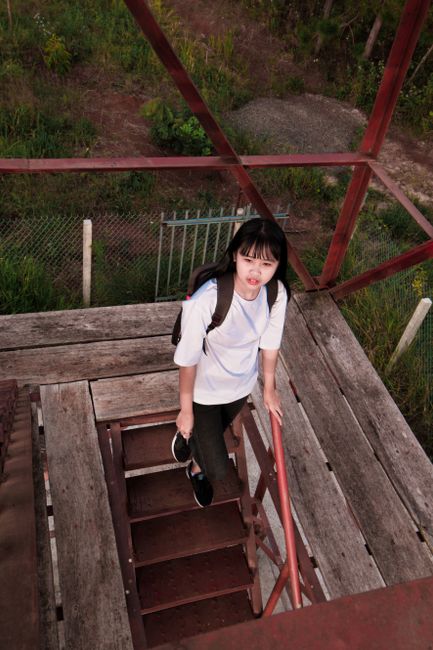
The adventure began early in the morning at Kinabalu Park Headquarters. After registration and meeting our guide, we were transported to Timpohon Gate, the official starting point of the climb. The air was thick with humidity, and the sounds of the rainforest surrounded us.
The first section of the trail winds through lush rainforest. Giant trees towered overhead, their branches draped with mosses and ferns. We passed gurgling streams and glimpsed colourful birds flitting through the foliage. The climb was steady and challenging, with steep sections of steps and uneven terrain. It was incredibly beautiful, but the humidity took its toll. I was drenched in sweat within the first hour.
The trail is marked with kilometer markers, providing a reassuring sense of progress. There are also several rest stops along the way, offering shelter and restrooms. These were welcome opportunities to catch our breath, rehydrate, and refuel with snacks.
As we ascended, the vegetation gradually changed. The rainforest gave way to cloud forest, characterized by shorter trees and denser undergrowth. The air became noticeably cooler and mistier. The scenery was otherworldly, with gnarled branches covered in moss and lichen.
The final stretch to Laban Rata was the most challenging. The steps became steeper, and the air grew thinner. I could feel the altitude affecting me, and I slowed my pace. But the thought of reaching the rest house and resting spurred me on.
Finally, after about six hours of climbing, we reached Laban Rata Resthouse. The sight of the brightly coloured buildings perched on the mountainside was a welcome relief. We checked in, grabbed a quick shower, and devoured a well-deserved dinner. The dining hall was buzzing with climbers from all over the world, sharing stories and nervously anticipating the summit attempt.
Altitude sickness is a real concern. Laban Rata is at a significant altitude, and even with acclimatization, some climbers experience symptoms like headache, nausea, and dizziness. It's important to listen to your body, drink plenty of water, and inform your guide if you're feeling unwell.
The Summit Ascent: Day 2 - Reaching for the Dawn
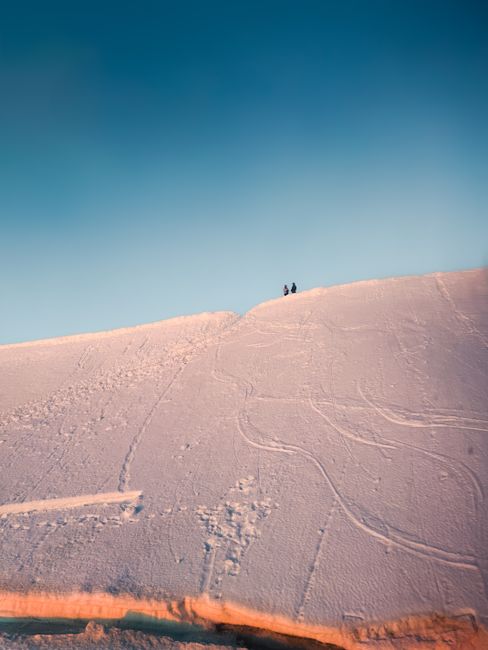
The alarm clock jolted us awake at 2:00 AM. It was freezing cold, and the thought of leaving the warmth of our sleeping bags was unappealing. But the promise of the summit sunrise was too tempting to resist. We layered up, grabbed our headlamps, and stumbled out into the darkness.
The trail from Laban Rata to the summit is a steep, rocky ascent. The first section involves climbing a series of wooden stairs, followed by a scramble over bare granite slabs. The path is well-marked with ropes, which are essential for maintaining balance and navigating the slippery rocks.
The air was incredibly thin and cold. I was breathing heavily, and my muscles were burning. The only light came from our headlamps, illuminating the path ahead. The sky was a tapestry of stars, more brilliant than I had ever seen before.
As we climbed higher, the terrain became more exposed. The wind howled around us, and the temperature plummeted. I was grateful for my warm layers and gloves. The climb was physically and mentally demanding, but the camaraderie among the climbers kept us going. We encouraged each other, shared snacks, and celebrated each small victory.
The final ascent to Low's Peak, the summit, was the most challenging. It involved scrambling over large boulders and navigating narrow ledges. But as we neared the top, the first hint of dawn appeared on the horizon. The sky began to lighten, painting the clouds with hues of orange, pink, and purple.
Finally, we reached the summit. It was an emotional moment. We had made it! Standing on the roof of Southeast Asia, watching the sunrise over the breathtaking landscape, was an experience I will never forget.
The views were simply stunning. Below us, a sea of clouds stretched out to the horizon, broken only by the peaks of neighboring mountains. The sun slowly rose, bathing the landscape in a golden light. It was a magical moment of pure awe and accomplishment.
The Descent: A Test of Endurance

After soaking in the summit views and taking countless photos, it was time to begin the descent. Descending can be surprisingly challenging, especially after the exertion of the ascent. It's important to take your time, watch your footing, and use your hiking poles to reduce strain on your knees.
The descent from the summit back to Laban Rata was particularly tough. The rocks were slippery, and my legs were starting to feel the strain. But the thought of a warm breakfast and a hot drink kept me going.
After a brief rest at Laban Rata, we continued our descent back to Timpohon Gate. The trail seemed even longer and steeper than I remembered. My knees were aching, and my feet were starting to blister. But the scenery was still beautiful, and I took the time to appreciate the rainforest in the daylight.
Finally, after several hours of relentless descent, we reached Timpohon Gate. We had made it! Exhausted but exhilarated, we collapsed into the waiting van, our bodies aching but our spirits soaring.
Reflections and Lessons Learned

Climbing Mount Kinabalu was one of the most challenging and rewarding experiences of my life. It tested my physical and mental endurance, pushed me to my limits, and rewarded me with breathtaking views and unforgettable memories.
Here are a few lessons I learned along the way:
- Preparation is Key: Proper training, acclimatization, and gear are essential for a successful climb.
- Listen to Your Body: Don't push yourself too hard, and be aware of the signs of altitude sickness.
- Enjoy the Journey: Take the time to appreciate the beauty of the mountain and the camaraderie of your fellow climbers.
- Be Respectful: Respect the environment and the local culture. Leave no trace behind.
Would I recommend climbing Mount Kinabalu? Absolutely! It's an incredible adventure that will challenge you, inspire you, and leave you with memories that will last a lifetime. So, start planning your trip today, and prepare to conquer the roof of Southeast Asia!

Post a Comment for "Mount Kinabalu: My Journey to the Roof of Southeast Asia"
Post a Comment