Orangutan Encounters: A Borneo Journey Balancing Ecotourism and Ethical Wildlife Practices
Orangutan Encounters: A Borneo Journey Balancing Ecotourism and Ethical Wildlife Practices
Hey there! Ever dreamt of locking eyes with an orangutan in its natural habitat? I did, and recently, that dream came true in the lush rainforests of Borneo. It was an experience that went beyond just seeing these incredible creatures; it was about understanding the delicate balance between ecotourism and ethical wildlife practices. Let me share my journey, the incredible orangutans I met, and the important lessons I learned about responsible tourism.
The Allure of Borneo: More Than Just Orangutans

Borneo, the third-largest island in the world, is a biodiversity hotspot. It's a place teeming with life, from pygmy elephants and proboscis monkeys to countless bird species and, of course, the iconic orangutans. For me, the orangutans were the main draw, but I soon discovered that Borneo offered so much more. The dense rainforests, the winding rivers, and the vibrant culture of the local people all contributed to an unforgettable adventure. It felt like stepping into a world untouched by time, a place where nature reigned supreme.
Before I even booked my flight, I knew I wanted my trip to be more than just a sightseeing tour. I wanted to contribute positively to the conservation efforts and ensure that my presence wouldn't negatively impact the orangutans or their environment. This led me down the path of researching ethical wildlife tourism.
Defining Ethical Wildlife Tourism: A Personal Perspective

What does "ethical wildlife tourism" really mean? For me, it's about minimizing my impact on the animals and their habitat, respecting their natural behavior, and contributing to their conservation. It means choosing tour operators who prioritize animal welfare, support local communities, and actively participate in conservation programs.
Here's what I considered crucial when planning my orangutan encounter:
- Choosing Reputable Tour Operators: Look for companies with a strong commitment to ethical practices, transparency in their operations, and positive reviews from other travelers who prioritize responsible tourism.
- Respecting Wildlife Behavior: This means maintaining a safe distance from the animals, avoiding any interaction that could stress them, and not feeding them.
- Supporting Local Communities: Opt for tours that employ local guides and support local businesses. This ensures that the economic benefits of tourism are shared with the people who live in and around the orangutan habitats.
- Minimizing Environmental Impact: Choose eco-friendly accommodations, reduce waste, and avoid using single-use plastics. Every little bit helps.
My Orangutan Encounters: A Story of Connection and Respect

My journey began in Tanjung Puting National Park, a renowned sanctuary for orangutans in Central Kalimantan. I opted for a klotok tour, a traditional wooden riverboat, which allowed me to explore the Sekonyer River and observe orangutans in their natural habitat. The park itself is stunning – a labyrinth of waterways and dense rainforest, filled with the sounds of the jungle.
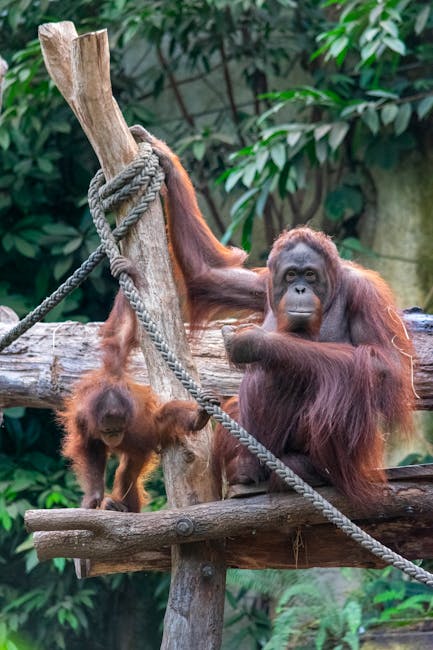
My first orangutan encounter was truly magical. We were cruising along the river when our guide spotted a female orangutan with her baby clinging to her. She was calmly foraging for food in the trees, seemingly unfazed by our presence. We kept a respectful distance, observing her from afar. It was an incredibly humbling experience to witness these intelligent and gentle creatures in their own world.
Over the next few days, I visited several orangutan rehabilitation centers, including Camp Leakey, the oldest and most famous research center in the park. These centers play a crucial role in rescuing orphaned or injured orangutans, rehabilitating them, and eventually releasing them back into the wild. It was inspiring to see the dedication and care of the staff who work tirelessly to protect these animals.
One particularly memorable moment was witnessing a feeding session at one of the rehabilitation platforms. The orangutans would emerge from the forest, one by one, cautiously approaching the platform to collect their food. It was a chance to observe their individual personalities and behaviors up close. However, even during these feeding sessions, the staff emphasized the importance of maintaining a distance and minimizing interaction with the orangutans.
The Ethical Dilemma: Balancing Conservation and Tourism

While my experiences in Borneo were overwhelmingly positive, I also became acutely aware of the ethical dilemmas surrounding wildlife tourism. The very act of bringing tourists into orangutan habitats can have both positive and negative impacts. On one hand, tourism can generate revenue that supports conservation efforts and provides economic opportunities for local communities. On the other hand, it can also lead to habitat disturbance, increased stress on the animals, and the potential for disease transmission.
Here are some of the challenges I observed:
- Habitat Loss: Deforestation for palm oil plantations and mining is a major threat to orangutan habitats. While tourism can raise awareness about this issue, it can also contribute to it if not managed sustainably.
- Human-Wildlife Conflict: As orangutan habitats shrink, they are increasingly forced to come into contact with humans, leading to conflicts over resources.
- The Risk of Disease Transmission: Orangutans are susceptible to human diseases, such as the common cold, which can be devastating to their populations. Maintaining a safe distance and practicing good hygiene are crucial to prevent disease transmission.
- The Temptation of "Controlled" Interactions: Some operators may offer opportunities for close-up interactions with orangutans, such as taking selfies with them or even feeding them. While these interactions may seem appealing, they can be incredibly harmful to the animals.
It's a constant balancing act. We need tourism to support conservation, but we also need to ensure that tourism doesn't harm the very thing it seeks to protect.
Choosing the Right Tour Operator: Questions to Ask

So, how do you choose a tour operator that prioritizes ethical wildlife tourism? Here are some key questions to ask:
- What is your company's philosophy regarding wildlife tourism? Look for companies that emphasize conservation, animal welfare, and community involvement.
- Do you have any certifications or accreditations related to sustainable tourism? Certifications from reputable organizations can be a good indicator of a company's commitment to ethical practices.
- How do you ensure that your tours minimize the impact on the environment and the orangutans? Ask about their policies on waste management, noise pollution, and maintaining a safe distance from the animals.
- Do you employ local guides and support local communities? Supporting local communities is essential for ensuring the long-term sustainability of tourism.
- Do you offer opportunities for close-up interactions with orangutans? Avoid companies that offer these types of interactions, as they are likely to be harmful to the animals.
Don't be afraid to ask tough questions and do your research. The more informed you are, the better you can make a responsible choice.
Beyond the Orangutans: Supporting Local Communities

My journey in Borneo wasn't just about the orangutans. It was also about connecting with the local communities and learning about their culture and traditions. I made an effort to support local businesses, such as buying handicrafts from local artisans and eating at local restaurants. I also spent time talking to local people, learning about their lives and their perspectives on tourism.
I learned that sustainable tourism can be a powerful tool for empowering local communities and improving their livelihoods. By choosing tours that employ local guides and support local businesses, you can help ensure that the economic benefits of tourism are shared with the people who live in and around the orangutan habitats.
One of the most heartwarming experiences was visiting a local village and learning about their traditional way of life. They showed me how they made handicrafts, how they cultivated their gardens, and how they preserved their cultural heritage. It was a reminder that tourism should be about more than just seeing the wildlife; it should also be about understanding and respecting the local culture.
Lessons Learned: A Call to Responsible Travel

My orangutan encounters in Borneo were a transformative experience. I left with a deeper appreciation for these incredible creatures and a renewed commitment to responsible travel. I learned that ethical wildlife tourism is not just about following the rules; it's about making a conscious effort to minimize your impact and contribute to the conservation of the animals and their habitat.
Here are some key takeaways from my journey:
- Do your research and choose reputable tour operators.
- Respect wildlife behavior and maintain a safe distance.
- Support local communities and businesses.
- Minimize your environmental impact.
- Be an advocate for responsible tourism.
By embracing these principles, we can all help ensure that future generations will have the opportunity to witness the magic of orangutans in their natural habitat. Let's travel with intention, respect, and a deep commitment to preserving the planet for all its inhabitants.
My Borneo adventure changed me. It reinforced the importance of responsible travel and reminded me that even small actions can make a big difference. I hope my story inspires you to plan your own ethical wildlife encounter and contribute to the conservation of these amazing creatures.

Post a Comment for "Orangutan Encounters: A Borneo Journey Balancing Ecotourism and Ethical Wildlife Practices"
Post a Comment